Regional Champions: How Geography Shapes Equipment Choices Across Canada

Explore how Canada's diverse geography influences farm equipment selection, from massive Prairie air drills to Maritime potato harvesters, and understand regional equipment preferences.
Driving from my Saskatchewan farm to visit agricultural operations across Canada always reminds me how dramatically geography shapes farming equipment needs. The 80-foot air drill that's essential for Prairie grain production would be completely impractical in Prince Edward Island's smaller fields, just as PEI's specialized potato equipment would be useless on Prairie wheat farms.
Prairie Provinces: Scale and Efficiency Rule
The vast expanse of Prairie agriculture demands equipment built for scale and efficiency. When you're farming 5,000 acres of canola and wheat, every hour of field time matters, and equipment must match the magnitude of the operation.
Air drills dominate Prairie seeding operations, with working widths reaching 80 feet or more. Saskatchewan manufacturers like Seed Hawk and Morris Industries have built global reputations creating equipment specifically for Prairie conditions. These machines combine seed placement, fertilizer application, and residue management in single passes across enormous fields.
The success of companies like Bourgault Industries in Saskatchewan demonstrates how regional needs drive innovation. Their air drills and tillage equipment reflect intimate understanding of Prairie soils, crop requirements, and operational challenges. When local manufacturers understand your specific needs, they create solutions that multinational companies might miss.
Self-propelled sprayers have become essential equipment on Prairie farms, with boom widths exceeding 120 feet and tank capacities over 1,200 gallons. Apache sprayers from Equipment Technologies in Saskatchewan exemplify regional innovation, building machines specifically for Prairie conditions and crop requirements.
Combine harvesters on Prairie farms are massive compared to equipment used elsewhere. Class 9 and Class 10 combines with 40-foot headers efficiently harvest the vast acreages that define Prairie agriculture. The investment makes sense when you're harvesting thousands of acres annually.
Ontario: Versatility for Diverse Agriculture
Ontario's diverse agricultural landscape requires equipment versatility rather than specialized efficiency. Corn and soybean operations need precision planting equipment, while mixed farms require implements that handle multiple crops and operations.
Precision planters have revolutionized Ontario corn and soybean production. John Deere's ExactEmerge technology and similar systems from other manufacturers provide seed placement accuracy that was impossible with conventional equipment. These planters cost more than Prairie air drills but deliver precision that justifies the investment in high-value crops.
Tillage equipment in Ontario reflects the need to manage crop residue while preparing ideal seedbeds for precision planting. Vertical tillage tools like Salford's RTS series manage corn residue while maintaining soil structure – crucial for Ontario's rotation systems.
The greenhouse industry in Ontario's Leamington region requires highly specialized equipment. Automated seeding systems, climate control technology, and hydroponic equipment represent investments that dwarf field agriculture but generate returns that justify the costs.
Quebec: Adapting to Unique Conditions
Quebec agriculture balances grain production with specialized crops suited to the province's climate and markets. Equipment needs reflect this diversity while accommodating linguistic and cultural preferences that influence purchasing decisions.
Dairy farming dominance in Quebec drives significant demand for hay and forage equipment. Brands like Kuhn and Krone, with strong European heritage, often find favor among Quebec farmers who appreciate their engineering philosophy and attention to forage quality.
Maple syrup production requires unique equipment found nowhere else in Canadian agriculture. Modern maple operations use sophisticated vacuum systems, reverse osmosis concentrators, and automated collection systems that transform traditional practices into efficient commercial operations.
Maritime Provinces: Specialized for Unique Crops
Atlantic Canadian agriculture features highly specialized crops that require equally specialized equipment. Potato production in Prince Edward Island drives demand for equipment found nowhere else in significant quantities.
Potato planters, harvesters, and handling equipment represent major investments for PEI farmers. Companies like Grimme and AVR build equipment specifically for potato production, with Canadian dealers providing specialized support for these unique machines.
The lobster fishing industry's seasonal nature creates demand for compact tractors and utility equipment during off-seasons. Many fishermen use their equipment for trap repair, property maintenance, and seasonal agricultural activities.
Wild blueberry production in Nova Scotia and New Brunswick requires specialized harvesting and processing equipment. Bragg Lumber's blueberry harvesters and processing systems serve this unique agricultural sector with equipment found nowhere else in Canada.
British Columbia: Precision for High-Value Crops
BC's diverse geography and high-value crop production demand precision equipment suited to intensive agricultural systems. Vineyard equipment, orchard machinery, and greenhouse technology reflect the province's focus on quality over quantity.
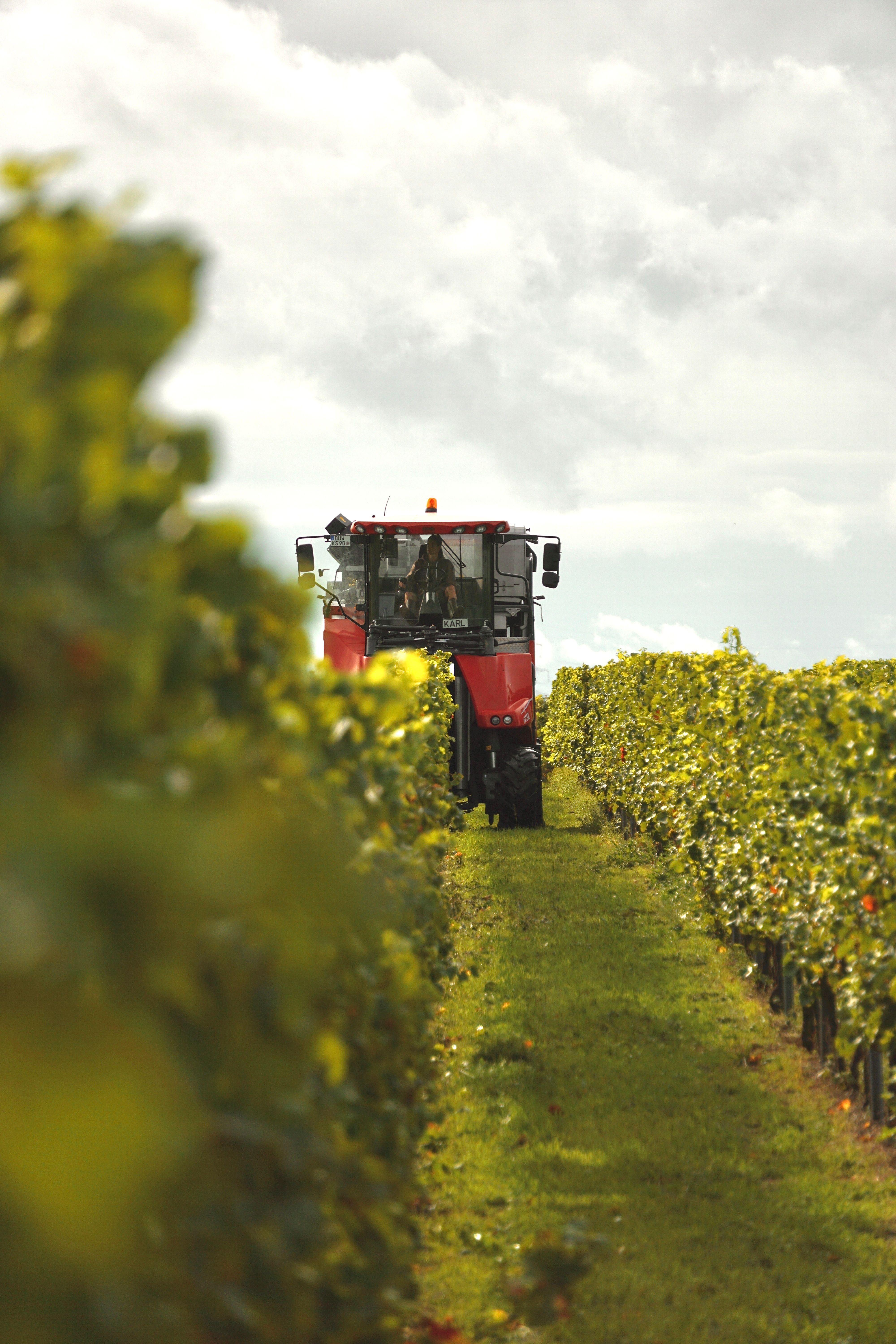
Vineyard equipment must navigate narrow rows while performing precise operations. Specialized tractors from manufacturers like Antonio Carraro and Goldoni provide the maneuverability required for grape production while delivering professional results.
Orchard equipment for BC's tree fruit industry includes precision sprayers, harvest platforms, and pruning equipment. These machines must work effectively in three-dimensional crop environments while maintaining fruit quality standards demanded by premium markets.
Greenhouse production in the Fraser Valley employs some of the world's most sophisticated agricultural technology. Climate control systems, automated seeding and transplanting equipment, and integrated pest management systems represent investments that exceed field agriculture costs per acre by orders of magnitude.
Northern Regions: Adapting to Extreme Conditions
The Peace River region of northern Alberta and BC requires equipment adaptations for short growing seasons and challenging conditions. Standard equipment often needs modifications to handle unique operational requirements.
Seed treatment and rapid planting become crucial when growing seasons are compressed. Air drills with higher seeding rates and faster ground speeds help farmers complete planting within optimal timing windows.
Grain drying equipment becomes essential in northern regions where natural field drying may be insufficient. On-farm dryers from manufacturers like GSI and Sukup provide harvest flexibility when weather conditions are marginal.
Dealer Networks and Regional Support
Equipment dealer networks reflect regional agricultural patterns, with Prairie dealers emphasizing high-capacity field equipment while Eastern dealers maintain broader inventories serving diverse agricultural systems.
Regional dealers often develop specialized expertise serving local agricultural needs. A PEI potato equipment dealer provides services that Saskatchewan grain dealers couldn't match, while Prairie dealers understand air drill setup and calibration at levels unnecessary elsewhere.
Parts availability and service response vary significantly across Canada's geography. Remote locations may require larger parts inventories and more comprehensive on-site service capabilities than areas with dense dealer networks.
Climate Change Adaptations
Regional equipment preferences are evolving as climate patterns change. Drought-resistant crop varieties require different seeding and cultivation equipment, while changing precipitation patterns affect tillage and residue management needs.
Some regions are adopting equipment previously associated with different climatic zones. No-till seeding equipment has gained popularity in areas where soil conservation wasn't previously emphasized, while precision irrigation systems are expanding into regions that historically relied on natural precipitation.
Economic Factors and Regional Preferences
Regional economic conditions influence equipment purchasing patterns. Areas with strong commodity prices often invest in newer, higher-capacity equipment, while regions facing economic challenges may emphasize used equipment and longer replacement cycles.
Currency fluctuations affect imported equipment costs differently across regions. Western Canadian farmers purchasing US-built equipment face different cost pressures than Eastern farmers buying European machinery.
The integration of regional agricultural systems with global markets continues driving equipment evolution. As Canadian farmers compete internationally, equipment choices increasingly reflect global efficiency standards while adapting to local conditions.
Understanding regional equipment preferences helps farmers make informed purchasing decisions while providing insights into the diverse and adaptive nature of Canadian agriculture.